Did you know that Rhinos are one of the most endangered species IN THE WORLD?
First, let’s get some background and facts on the rhino!
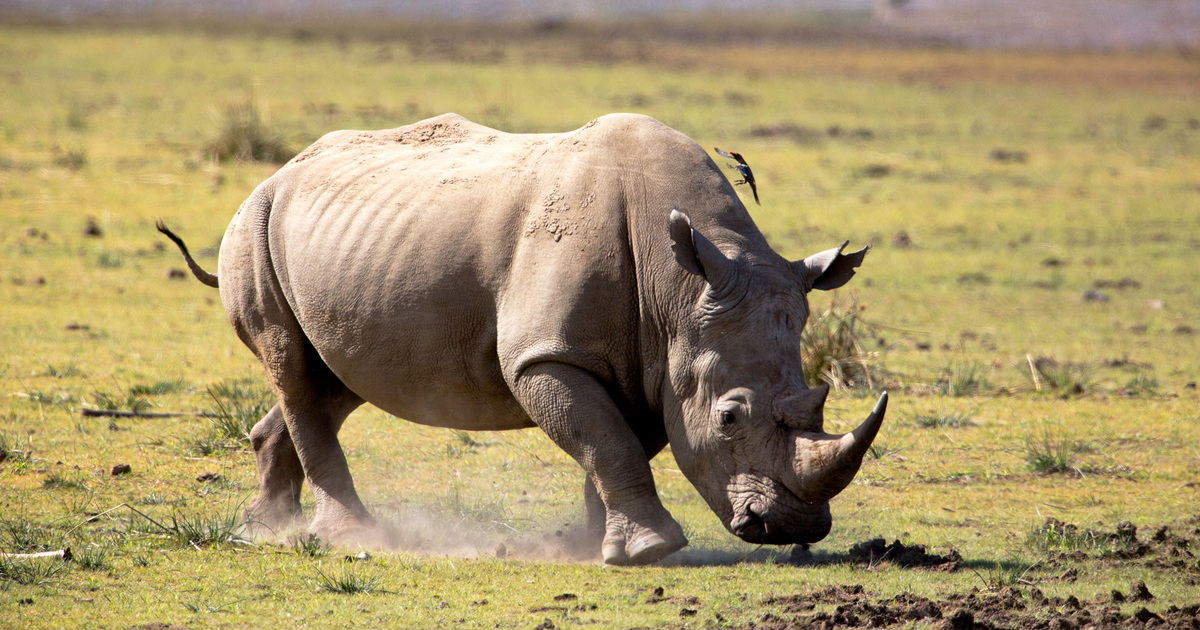
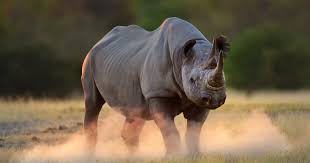
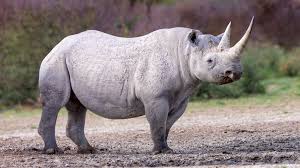
There are 5 species of rhinos: white, black, indian, Javan, and Sumatran. Rhinos can weigh 1-2.5 TONS, making them one of the largest land mammals on earth. Despite their size, rhinos can run up to 30-35 miles per hour for short distances. WOW. Rhinos have poor eyesight but an excellent sense of smell and hearing. They are mostly herbivores, eating grasses, leaves, and branches. They usually live 30-50 years in the wild. Rhinos use mud baths to cool off and protect their skin from insects and sunburn.

Now that we have learned some facts on why Rhinos are awesome creatures, let’s learn why we need to keep them around.
The main source of endangerment: Poaching
- Poaching is the illegal hunting, capturing or killing of wild animals often for their body parts.
- Rhinos are mainly killed for their horns, which are illegaly traded, often used in medicine or as decorations.
- Rhino horns are made of keratin; this is the same material as human hair and nails, which has no proven medicinal value.
Another big problem is habitat loss. Expanding agriculture, deforestation, and human development reduce the land that rhinos need to survive.
FACT: Of the five rhino species, three are critically endangered: black, Javan, and Sumatran rhinos.
Population:
Have you ever wondered about the population of the rhinos? Well, it’s probably lower than you think. There are fewer than 80 Javan rhinos left. That’s around the size of 3 high school classes combined. There are fewer than 100 Sumatran Rhinos left and around 6,000 black rhinos. Another factor contributing to this low population is the reproduction of Rhinos. Female rhinos usually have one calf every 2-5 years, making it difficult for populations to recover.
Why do we need Rhinos??
Rhinos play a vital ecological role. They help shape grasslands and forests, which benefit many other species. They are also known as “ecosystem engineers,” meaning that if they were to go extinct, grasslands would become overgrown, with fewer resources for smaller grazers, which would impact the predators and soil fertilization. There would also be less plant diversity because rhinos help disperse seeds through their consumption and then later export. This helps to vary the plant life for surrounding animals.
How can we help?
One main way that we can help is to not purchase things that contain rhino horn. This can stop the demand for it and hopefully lessen the occurrence of poaching. Also, educating others on the fact that rhino horn has no medicinal value. Other prominent ideas are to donate to or follow groups that help protect and support rhinos, which I will link below. Supporting laws and organizations that protect wildlife reserves and national parks is also very important, not just for rhinos. Another idea is to fight the main source, poaching. Supporting anti-poaching patrols and ranger programs. Finally is to raise awareness; the more people know, the more pressure there is to protect them. Share this or create your own awareness to save these rhinos. These Rhinos deserve life just as much as you do.
Just because they don’t have a voice, doesn’t mean they aren’t screaming for help!!
Rhino protection organizations:
Thank you and see you next Wednesday!!
 Protecting the Voiceless