Hello everyone and welcome back to protecting the voiceless!!
Today we will be focusing on the Panda!! First lets get some background and fact about Pandas.
Giant pandas are native to the mountainous forests of central China and are known for their distinctive black-and-white fur. Although they are classified as bears, pandas eat almost entirely bamboo, spending up to 14 hours a day feeding. An adult panda can eat over 25 pounds of bamboo daily. Pandas have a slow reproduction rate, with females being fertile for only a few days each year, which makes population growth challenging. Thanks to conservation efforts, panda numbers have increased in recent years, but they still depend heavily on protected habitats to survive.
Giant pandas are one of the most recognizable animals in the world. With their black-and-white fur and gentle nature, they’ve become global symbols of wildlife conservation. But behind their popularity lies a serious truth: for much of recent history, pandas have been endangered, and their survival has not been guaranteed.

Why are they endangered??
The biggest threat to giant pandas has been habitat loss. Pandas rely almost entirely on bamboo forests for food, and as human populations expanded, large areas of these forests were cleared for farming, roads, and development. When bamboo forests disappear or become fragmented, pandas struggle to find enough food and mates.
Pandas also have a very low reproduction rate. As mentioned earlier, females are fertile for only a few days each year, and cubs are born extremely small and vulnerable. This makes it difficult for panda populations to recover quickly, especially when their environment is unstable.
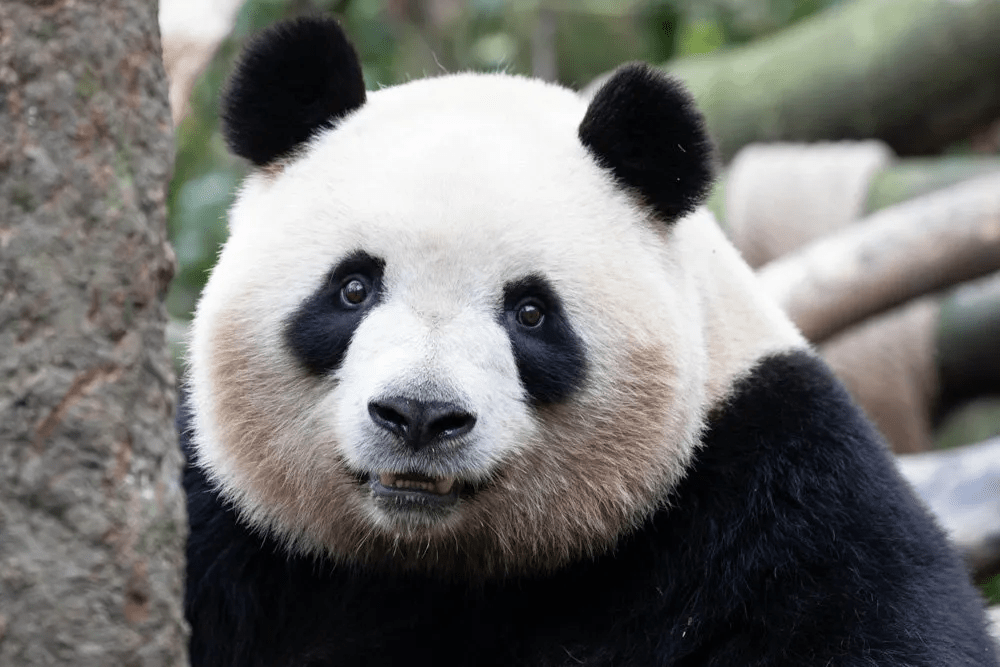
FACT: Giant pandas have a special wrist bone that acts like a thumb, helping them grip and eat bamboo more easily.
Why do Pandas matter??
Pandas are more than just cute animals; they play an important role in their ecosystem. As pandas move through bamboo forests, they help spread seeds and maintain forest health. Protecting pandas also protects many other species that live in the same habitats. Also, they are so cute!! – another reason to keep them around.
Conservation efforts
The good news is that conservation efforts have made a real difference. Protected reserves, anti-poaching laws, and habitat restoration projects have helped panda populations slowly increase. Because of these efforts, giant pandas were reclassified from “endangered” to “vulnerable” in recent years, a major conservation success.
However, this does not mean pandas are safe. Climate change threatens bamboo forests, and habitat fragmentation is still a concern. Continued protection and awareness are essential to ensure pandas do not return to endangered status.
How we can help
Everyone can play a role in protecting pandas:
- Support wildlife conservation organizations
- Learn about endangered species and share information
- Reduce environmental impact by conserving energy and resources
Below I will list some organizations that YOU can go to, to help!!
https://www.worldwildlife.org/species/giant-panda/
https://www.best-charities.org/find/charitypage.php?ein=84-1544557
Just because they dont have a voice, deosnt mean they arent screaming for help!!!
Thank you and see you all next week!!!
 Protecting the Voiceless